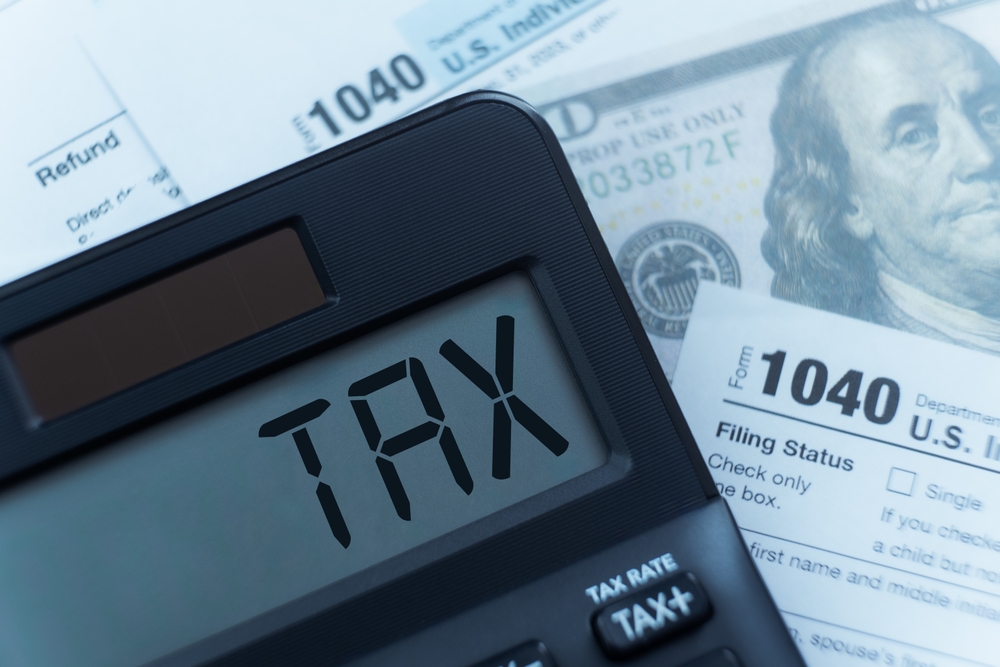
In Kansas, a state tax warrant is issued by the Department of Revenue when a taxpayer fails to pay assessed state taxes. It is a legal document that confirms the...
When a tax warrant is issued in Kansas, it means the Department of Revenue has taken legal action to collect unpaid state taxes. The warrant confirms that the state believes...
In Kansas, there is no specific age at which a person stops paying property taxes entirely. Homeowners remain responsible for property taxes for as long as they own taxable property....
In Kansas, criminal records are maintained by courts, law enforcement agencies, and state databases. These records may include arrests, charges, case outcomes, and sentencing information. Not all criminal records are...
In Kansas, property taxes are billed annually and payable in two installments. The first half is due in December, and the second half is due in May of the following...
In Kansas, a warrant is a court order authorizing law enforcement to arrest a person. Warrants are issued when a judge determines there is a legal basis, such as a...
In Kansas, filing state or federal taxes is not legally connected to the existence of a criminal warrant. The Kansas Department of Revenue and the court system operate independently. You...
When you bail someone out in Kansas, you agree to guarantee their appearance in court. This applies whether you paid cash bail directly to the court or signed a contract...
In Kansas, the most common term for someone who bails you out of jail is the surety. A surety is the person or entity that takes financial responsibility to ensure...