Staying safe while having fun A lot of us like to celebrate and relax with an alcoholic drink every now and then. Maybe more than one or two, but before...
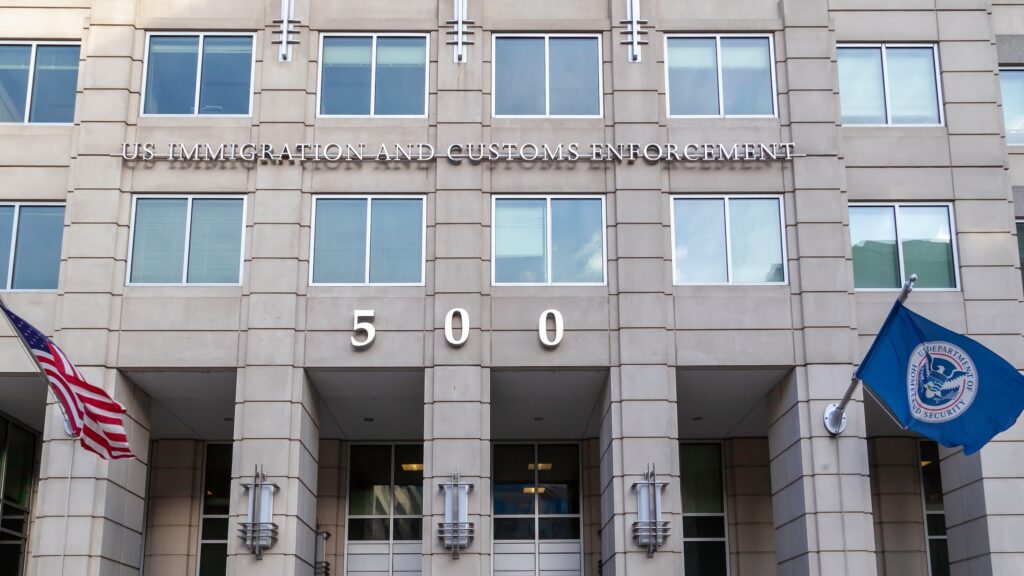
Immigration and arrest Immigration is a scary world for many, regardless of what country they are from or where they are currently living. It often proves theory to the old...
Whether you or a loved one has been arrested, posting bail can be expensive. Depending on the offense, the county, and the defendant’s history, the cost can be substantial. If...
We understand there’s nothing more stressful than learning a family member or a loved one has been arrested! That news alone can send you into an emotional spiral leaving you...
Become Informed of Illegal Weapons When you’re wondering what weapons are illegal in the United States as well as what weapon charges may be incurred if in possession of them,...