
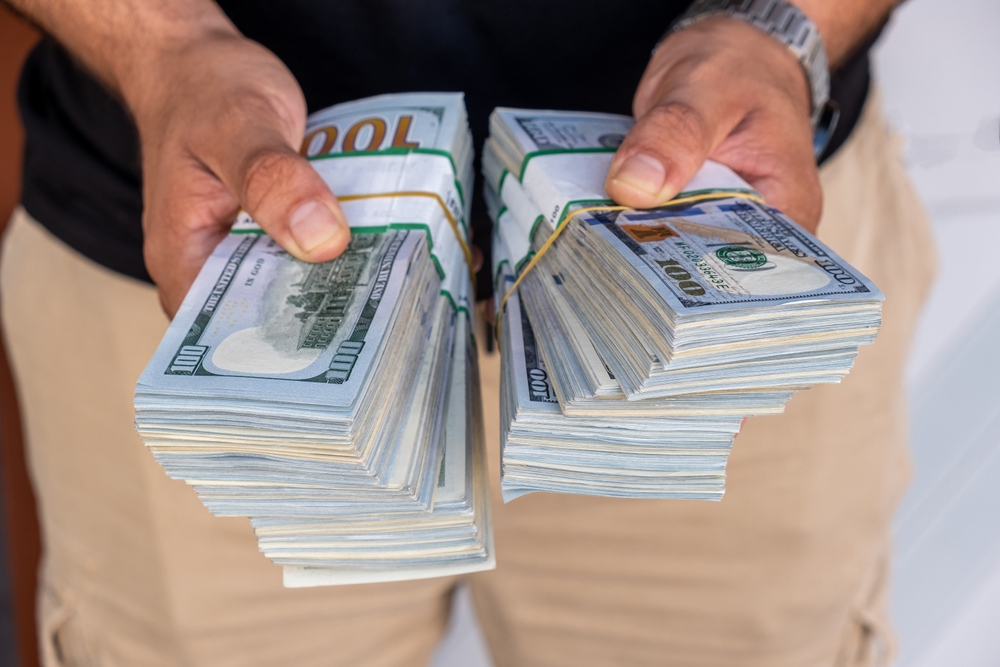
A $20,000 bond in Kansas is often seen as high for minor offenses, but may be typical for serious misdemeanors or lower-level felonies. The court sets the bond amount to ensure that the defendant appears for all hearings and follows court rules. A higher bond usually reflects concerns about flight risk, prior criminal history, or the seriousness of the charges. While it may seem intimidating, the bond amount is not a penalty; it is a financial guarantee for court compliance.
Paying a Twenty Thousand Dollar Bond
Most defendants cannot pay a $20,000 bond in full. In these cases, a bail bondsman can post the bond in exchange for a non-refundable fee, usually about ten percent of the total amount. This means the cost to the defendant or their family is around $2,000, though collateral may be required. Cash bonds are another option, where the full twenty thousand dollars is paid directly to the court and returned at the conclusion of the case if all conditions are met.
Factors That Make a Bond High
The perceived “highness” of a bond depends on several factors,
- Seriousness of the offense – Felonies often have higher bonds than misdemeanors.
- Criminal history – Repeat offenders may face larger bonds.
- Flight risk – Lack of community ties or previous failures to appear can increase the amount.
- Public safety concerns – Cases involving violence or high risk to others may justify higher bonds.
Why Knowing Bond Amounts Matters
Understanding that twenty thousand dollars is considered a high bond helps defendants and families plan financially. It also clarifies the options between using a bondsman or posting cash directly. Being informed ensures that the defendant can secure release responsibly while meeting all court obligations and avoiding forfeiture.