
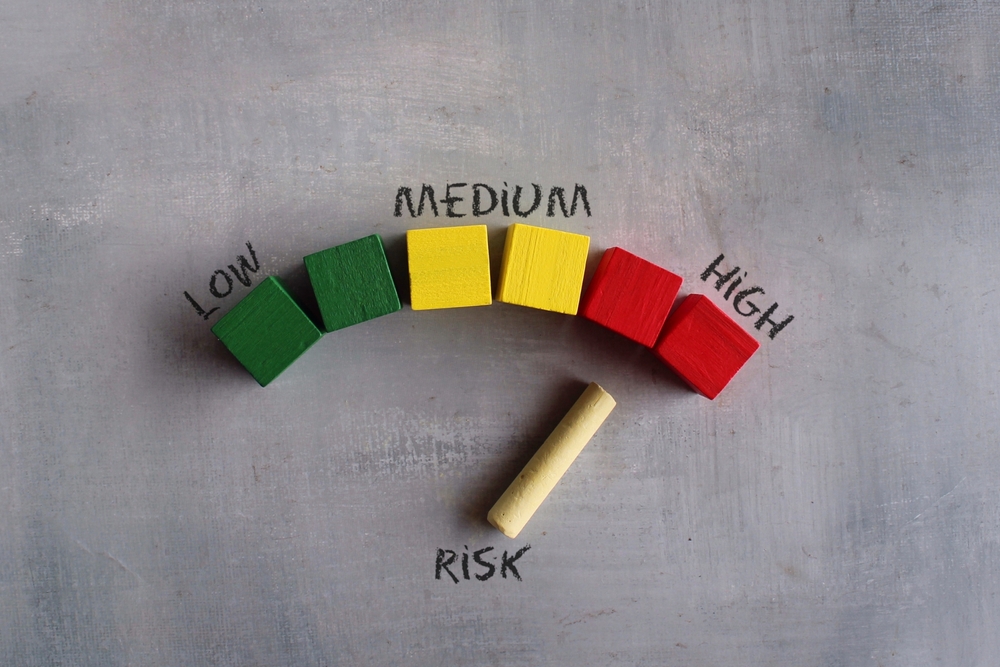
A $1 million dollar bail is set by a judge to ensure that a defendant appears in court and complies with conditions. Such a high amount usually reflects serious charges, significant flight risk, or prior criminal history. Bail is not a fine or punishment; it is a financial guarantee. The full amount must be available if posting a cash bond, or a bail bondsman can be used to secure release for a percentage of the total.
Paying the bail
Most people cannot pay one million dollars in cash. A bail bondsman can post the bond for a fee, typically around ten percent of the total amount. In this case, the fee would be approximately one hundred thousand dollars. Collateral may also be required depending on the risk. If a cash bond is posted directly to the court, the full one million dollars is returned at the end of the case, minus any court fees or fines, assuming the defendant complies with all conditions.
- Cash bond requires full payment to the court
- Bail bondsman fee is non-refundable and about ten percent
- Collateral may be needed for high-risk or high-amount bonds
Factors influencing a high bail amount
Judges consider multiple factors when setting a million-dollar bail. Serious felonies, risk of flight, prior convictions, and danger to the community all play a role. The goal is to ensure court appearances while protecting public safety. A high bail amount does not imply guilt but reflects the court’s assessment of risk and responsibility.
Legal & practical considerations
High bail amounts can be challenging for defendants and their families. Legal counsel may request a reduction if the defendant cannot afford bail or show that the risk of flight is low. Posting bail, whether cash or through a bondsman, allows the defendant to participate in their defense while remaining out of jail. Understanding the financial obligations and conditions of release helps families plan and comply with court requirements.