
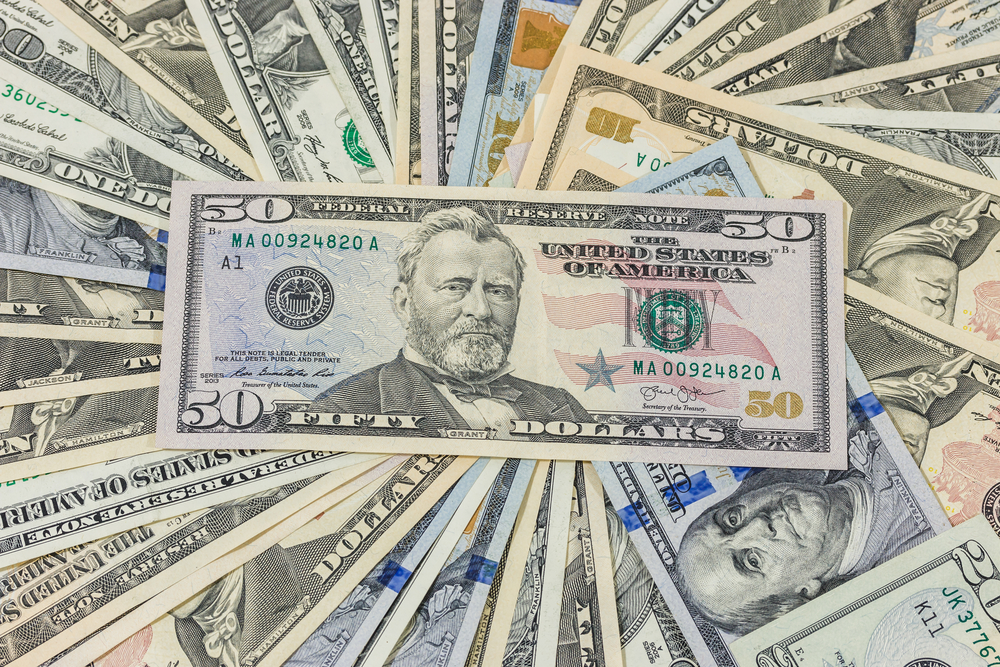
In Kansas, a bond amount represents the security required for a defendant to be released from jail while a case is pending. A fifty-dollar bond is considered very low and is usually associated with minor offenses, traffic-related matters, or ordinance violations.
The bond amount reflects the court’s assessment that the defendant poses little risk of failing to appear or causing harm. Even so, the bond must still be satisfied in the manner ordered by the judge.
Paying a fifty-dollar cash bond
If the court allows a cash bond, the cost of a fifty-dollar bond is exactly fifty dollars. The money is paid directly to the court or jail and held as security.
If the defendant appears at all required court dates and follows conditions, the fifty dollars is typically returned at the end of the case. It may be applied to fines or court costs if ordered by the judge.
Using a bail bondsman for a fifty-dollar bond
In some Kansas counties, a surety bond through a bail bondsman may be permitted even for small bond amounts. In that situation, the defendant does not pay the full fifty dollars to the court.
Instead, the bondsman charges a nonrefundable fee. For very small bonds, many bondsmen charge a minimum fee that exceeds the bond amount.
Common outcomes include
- A flat minimum fee set by the bondsman
- No refund of the fee even if the case is dismissed
- Release handled by the bondsman rather than direct payment
Because of this, using a bondsman for a fifty-dollar bond often costs more than paying the bond directly.
Why small bonds still matter
Even a low bond amount carries legal obligations. Posting bond creates a duty to appear in court and comply with all release conditions.
Failure to appear can result in
- Bond forfeiture
- Issuance of a warrant
- Additional charges or penalties
The low dollar amount does not reduce the seriousness of these consequences.
Administrative fees & local practices
Some Kansas jails or courts charge small administrative or processing fees in addition to the bond amount. These fees are separate from the bond itself and may not be refundable.
Local practices vary by county. Some facilities allow payment at the jail, while others require payment through the clerk of the court.
Choosing the most cost-effective option
For a fifty-dollar bond, paying cash directly is usually the least expensive option if it is allowed. Using a bondsman is typically unnecessary unless the defendant cannot access funds or the court restricts payment methods.
Understanding the bond type ordered by the judge helps avoid paying more than required for release.
Practical impact for defendants & families
A fifty-dollar bond allows quick release with minimal financial burden, but it still begins a legal process that requires attention and follow-through.
Defendants should keep proof of payment, track court dates, and comply with all conditions. Even small cases can escalate if bond obligations are ignored.