
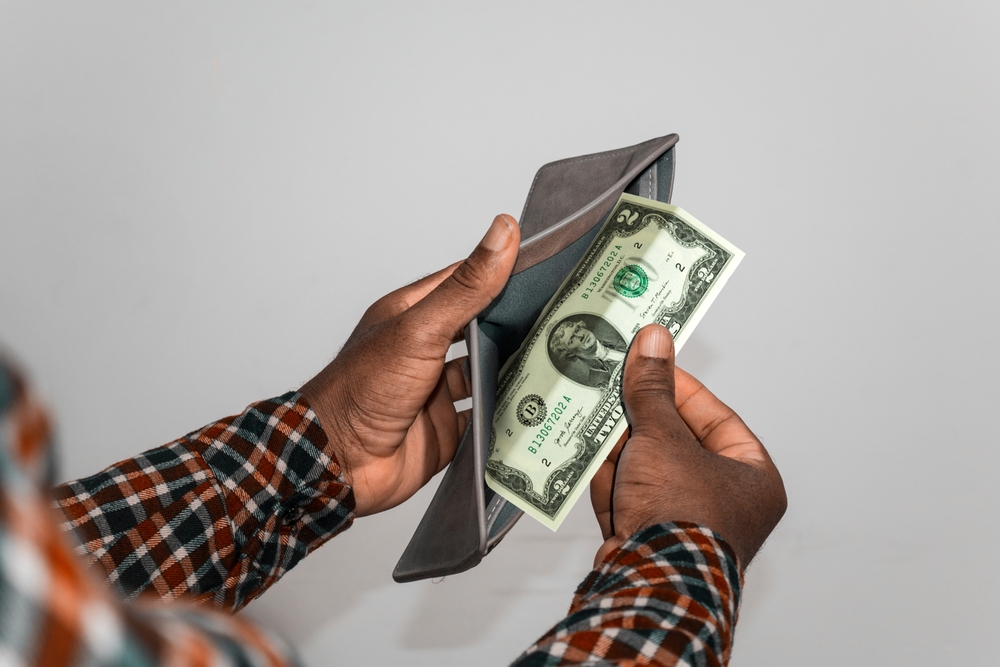
The $1000 number is the full bond amount that the court sets as a guarantee that the person will return for every hearing. You might pay the entire $1000 to the court, or you might pay only a portion if you use a bail bondsman. The option you choose affects both the upfront cost and if any money comes back later.
Paying the full $1000 to the court
If the judge allows a cash bond, you can pay the entire $1000 directly to the jail or court clerk. This is a deposit, not a fee. The court holds it to make sure the person appears in court.
- Upfront cost – $1000 paid to the court.
- Refund – the $1000 is usually returned after the case ends if all court dates are met and rules are followed.
- Risk – if the person misses court, the bond can be forfeited, and a warrant can be issued.
Using a bail bondsman for a $1000 bond
Many Wichita families hire a bondsman instead of paying the full amount. The bondsman posts the $1000 bond for you, and you pay a nonrefundable service fee. In Kansas, that fee is often around ten percent.
- Typical fee – about $100 for a $1000 bond.
- Refund – the $100 fee is not returned because it pays for the bondsman’s service and risk.
- Possible collateral – sometimes required, depending on the case and the person’s history.
- Payment plans – may be offered, sometimes with added service charges.
Other release options that cost less or nothing
Some Kansas cases allow release without paying bond, but only if the judge approves it. This is less common than cash or surety bonds, but it happens in lower risk cases.
- Own recognizance release – no payment, but the person signs a promise to return and follow rules.
- Pretrial supervision – no bond payment, but strict conditions like check ins or testing apply.
In Wichita, Kansas, you usually pay either the full $1000 to the court and get it back later if all rules are followed, or about $100 to a bail bondsman as a nonrefundable fee.