
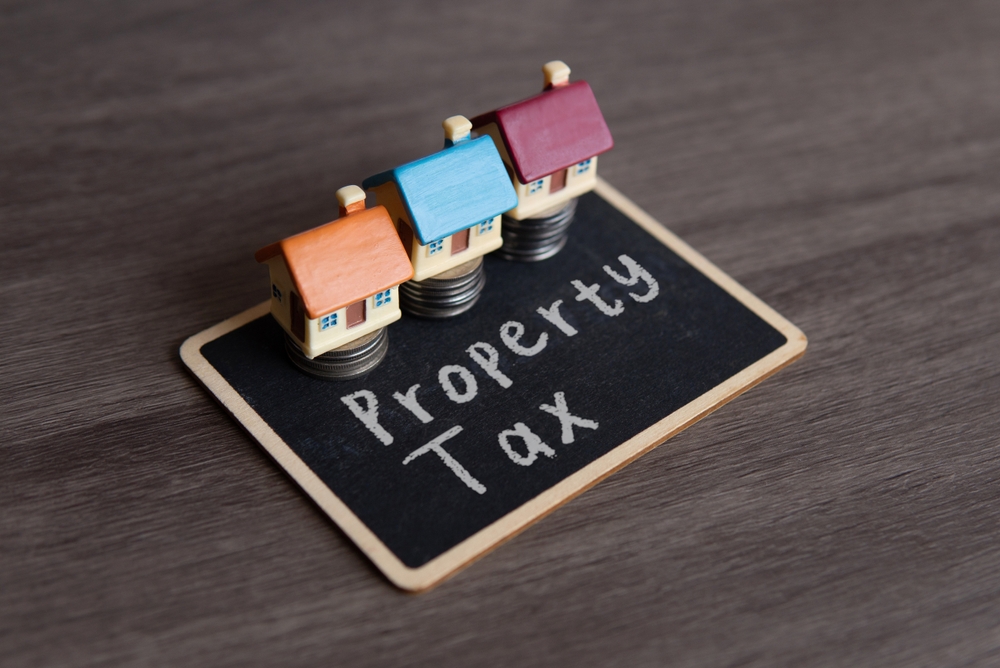
In Kansas, property taxes are billed annually and payable in two installments. The first half is due in December, and the second half is due in May of the following year.
If taxes are not paid by the due dates, the property becomes delinquent. Delinquency starts the enforcement process but does not immediately threaten ownership.
What happens after property taxes become delinquent
Once property taxes are delinquent, interest and penalties begin to accrue. The county treasurer is responsible for tracking unpaid taxes and adding statutory charges.
At this stage, the property owner still retains full ownership rights. The county does not seize property immediately, but the debt continues to grow over time.
How long can taxes remain unpaid before serious action
In Kansas, unpaid property taxes can remain delinquent for several years before the property is at risk of sale. The critical point occurs after approximately three years of nonpayment.
After taxes have been delinquent for about three years, the county may initiate a tax foreclosure process. This process seeks to recover unpaid taxes through sale of the property.
Tax foreclosure & public sale process
If taxes remain unpaid, the county can file a tax foreclosure action in court. The property owner is notified and given an opportunity to pay the overdue amount.
If the debt is not resolved, the court may order the property sold at a public auction. Proceeds are used to satisfy the tax debt and associated costs.
Right to redeem before sale
Kansas law provides property owners with opportunities to redeem their property before the sale is finalized. Redemption requires paying all delinquent taxes, penalties, interest, and fees.
Until the court confirms the sale, the owner typically has the ability to stop the process by bringing the account current.
Consequences beyond foreclosure
Unpaid property taxes can affect more than ownership. Delinquency can interfere with refinancing, selling property, or transferring title.
Common consequences include
- Accruing interest and penalties
- Tax liens attached to the property
- Inability to complete property transactions
These effects often occur well before foreclosure becomes a risk.
Why does Kansas allow a long timeline
Kansas property tax enforcement is designed to give owners time to resolve financial difficulties. Property taxes fund local services, but the state balances collection with due process protections.
The multi-year timeline reflects an effort to avoid sudden loss of property while still ensuring taxes are eventually collected.
Practical guidance for property owners
Property owners who fall behind should contact the county treasurer early. Payment plans or partial payments may be available depending on the county.
Ignoring delinquent taxes increases cost and risk over time. Understanding that foreclosure usually occurs only after years of nonpayment allows owners to act before permanent consequences arise.