
A tax warrant in Kansas is a legal claim the state or county files when a taxpayer fails to pay owed taxes. The warrant allows authorities to take action to collect the debt, including garnishing wages, seizing property, or placing liens on assets. The warrant itself is an official court document signaling that the government has the right to enforce collection. It is separate from credit reporting, but the underlying debt can influence financial health if not addressed.
How a Tax Warrant Affects Credit
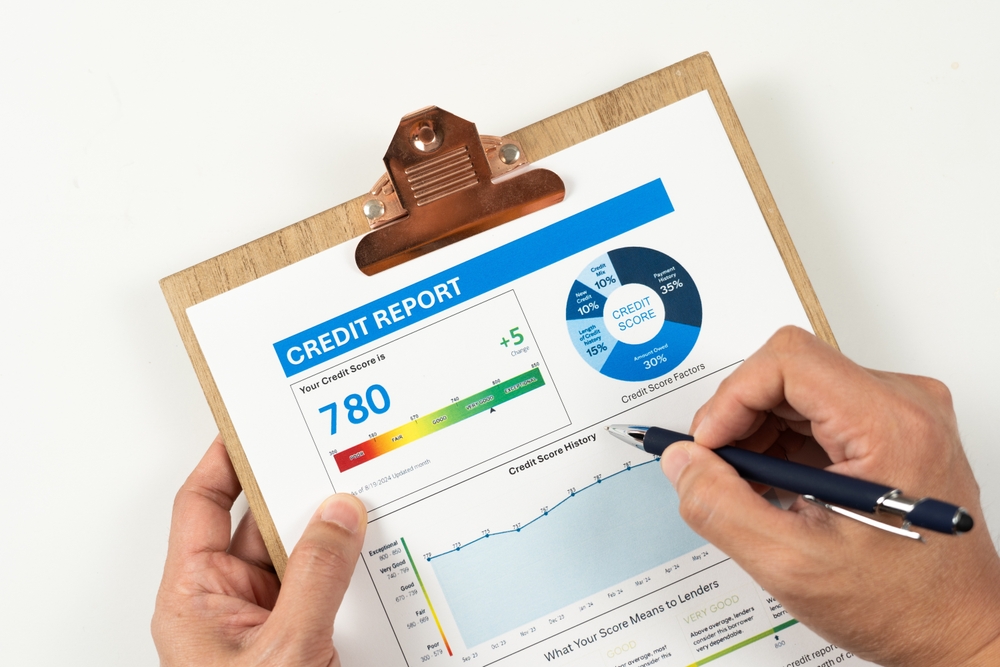
A tax warrant by itself does not automatically appear on a credit report. Credit reporting agencies typically track unpaid debts, liens, and judgments that have been formally filed with courts or reported by collection agencies. But if the tax warrant leads to a tax lien, that lien may be reported to credit bureaus. Once reported, it can lower credit scores, affect loan approvals, and make financing more difficult. Resolving the debt or having it satisfied can improve credit over time.
Indirect Financial Impacts
Even if a tax warrant does not show on a credit report immediately, it can have indirect effects. Wage garnishments or property seizures reduce available income and assets. If these actions lead to missed payments on other accounts, such as credit cards or mortgages, your credit score can drop. Unpaid tax debt may accrue penalties and interest, increasing financial strain and making it harder to maintain good credit.
Steps to Protect Your Credit
Addressing a tax warrant promptly is the best way to protect your financial reputation. Paying the debt in full, setting up a payment plan with the Kansas Department of Revenue, or negotiating a settlement can prevent further collection actions. Monitoring credit reports and ensuring that any liens or judgments are updated as satisfied after payment also helps maintain credit health. Consulting a tax professional or attorney can guide on resolving warrants without unnecessary credit damage.