
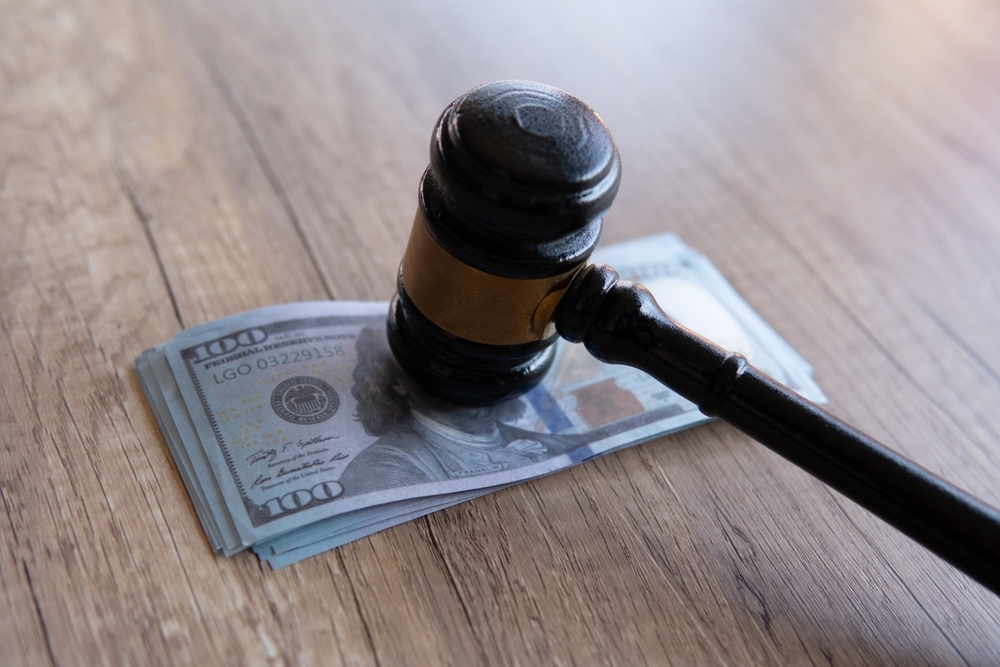
“Can you pay your own bail?” It is a common question right after an arrest because people want to know if they can handle release without help. Yes, you can pay your own bail in most cases if the court allows a money bond and you have access to funds. Bail is a financial guarantee to the court. If you post it yourself, you are the one putting up the security for your return to court. The exact way you pay depends on the bond type and the jail or court’s payment rules.
When you can pay your own bail
You can usually pay your own bail if a judge sets a cash bond or allows a surety bond and you meet the release requirements. This is more likely in lower-risk cases, but it can happen in higher bonds too if payment is available.
- Cash bond is allowed – you can post the full amount directly to the court or jail.
- You are not on a hold – things like probation holds, parole holds, or immigration holds can block release even if bail is paid.
- You have access to money – funds must be available through approved payment methods.
How paying your own bail works
If you pay your own bail, the jail or clerk’s office takes your payment and processes the release once everything clears. You may pay in cash, certified funds, or other accepted methods based on local policy.
- You post the full bail amount – this is a deposit held by the court.
- You receive release paperwork – it lists court dates and bond rules.
- Your money stays tied to the case – it is held until the case ends or the bond is changed by a judge.
What happens to your money later
Paying your own bail does not mean you lose it automatically. If you go to every hearing and follow all release rules, the bail deposit is usually returned at the end of the case. Courts can sometimes deduct unpaid fines or fees before refunding the rest.
- Refund happens after the case closes – dismissal, plea, or trial completion ends the bond.
- Missing court can forfeit the bail – the court can keep the deposit.
- Fees may be taken out – unpaid court costs can reduce what comes back.
Using a bondsman instead of paying yourself
If you cannot pay the full amount, you can use a bail bondsman. You pay a smaller premium, and the bondsman posts the full bond. That premium is a service fee and does not come back later. This option helps people who need release fast but do not have the full cash amount.