
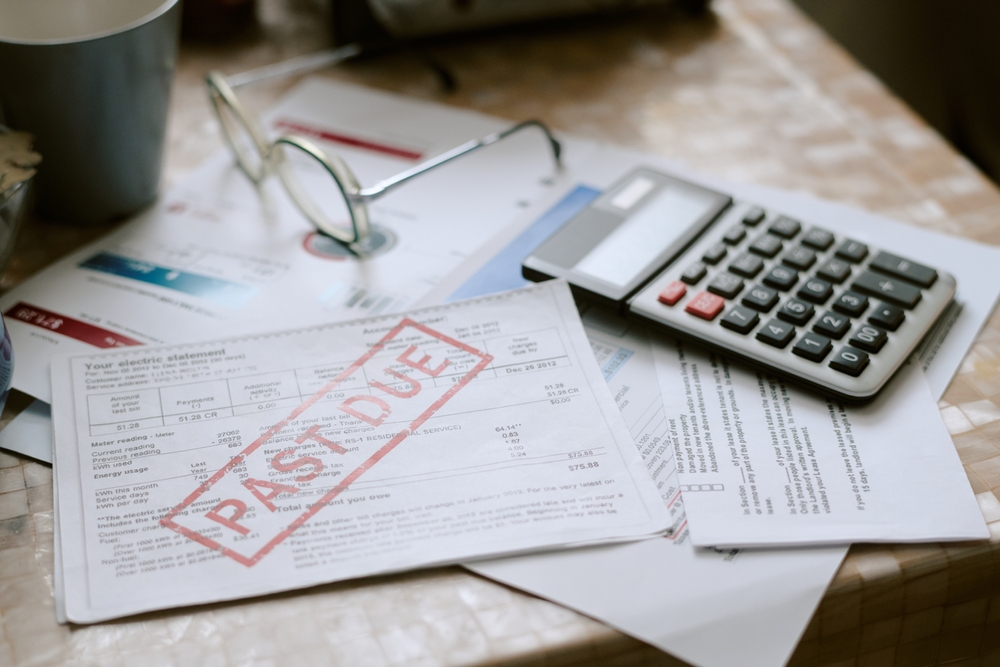
What Happens If You Skip A Bond Payment?
Skipping a bond payment is never recommended. When you sign a bail bond agreement, you agree to make all required payments on time. Missing a payment is considered a violation of that agreement. While every bonding company handles missed payments differently, many will take action to protect the bond they posted with the court.
Possible consequences include,
- Late fees or additional charges
- Collection efforts from the bonding company
- Loss of payment plan privileges
- In serious cases, revocation of the bond
Bond revocation means the bonding company can surrender the defendant back into custody. Once that happens, the person may have to stay in jail until the case ends or until a new bond is arranged, which can be harder to obtain.
Why Communication Matters
If you know you cannot make a payment, the best step is to contact your bonding company right away. Many companies are willing to work with clients who communicate early and honestly. Sometimes payment schedules can be adjusted, or short extensions may be offered. Staying in contact shows responsibility and reduces the risk of bond problems.
How Payment Issues Affect Your Case
Bond payment problems do not change the criminal charges, but they can affect your ability to stay out of jail while your case is active. Judges and prosecutors may also view bond revocations negatively. Maintaining payments helps show stability and compliance, both of which benefit the defendant as the case moves forward.
You should not skip a bond payment. Missing payments can lead to late fees, collections, or even losing your bond entirely. If you are struggling, talk to your bondsman before the payment is due. Communication and honesty can prevent serious consequences and help you stay on track during your case.