
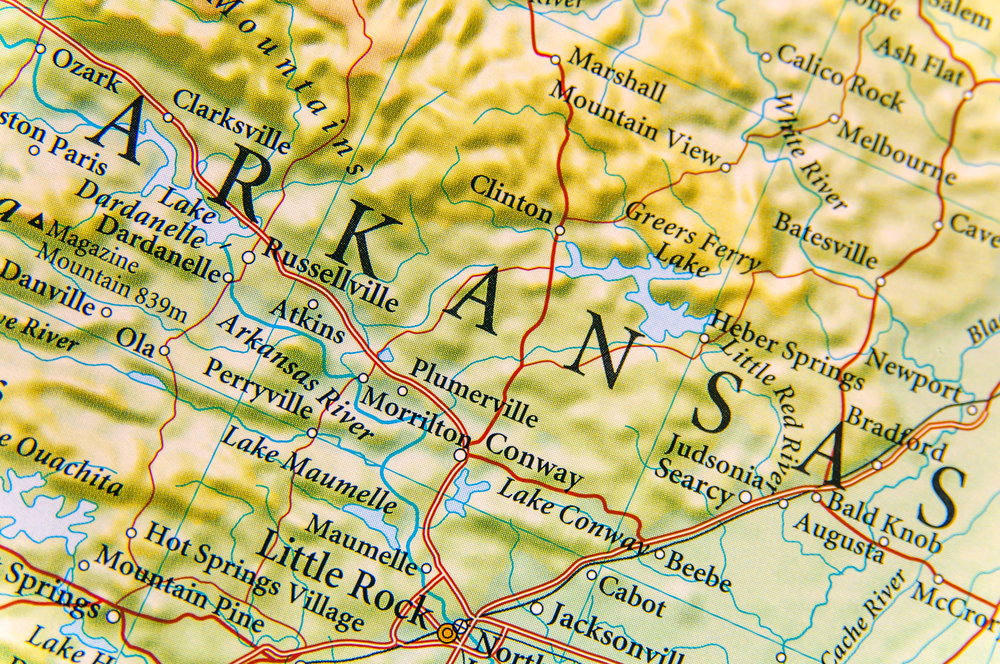
What are the rules for bail bonds in Arkansas cover two big areas. First is how courts set bail and what a defendant must do to stay released. Second is how bail bond companies operate, what they can charge, and what happens if a court date is missed. Arkansas uses a surety bond system similar to many states, but it has some firm pricing rules and strict licensing controls. If you are dealing with a case in Arkansas, knowing these basics helps you avoid surprises and protects the cosigner who is taking on the risk.
How bail is set in Arkansas
After an arrest, a judge decides if release is allowed and sets bail. The judge looks at the charge, safety concerns, past record, and the chance of returning to court. Bail can be cash, property-backed, or a surety bond through a licensed bondsman. In some cases, a judge can order release without money through own recognizance or supervised pretrial release.
- Bail is not a punishment – it is a guarantee to return to court.
- Conditions can be added – travel limits, testing, no contact orders, or check-ins.
- Missing court can trigger a warrant – and bail can be revoked.
Standard cost of a bail bond
Arkansas law sets a fixed premium for most surety bonds. A bail bond company charges a percentage of the total bail as its nonrefundable fee. That fee is how the bondsman gets paid for taking the risk.
- Premium is typically 10 percent of the bail amount.
- The premium is nonrefundable even if charges are dropped.
- There is also a small state board fee added per bond, collected with the premium.
Collateral rules
For larger bonds or higher risk cases, a bondsman may require collateral. Arkansas rules treat collateral seriously and require clear paperwork.
- Collateral must be receipted in writing with a description and value.
- Bondsmen hold collateral in a fiduciary role – it must be kept separate from business funds.
- Collateral is returned when the case ends if the defendant follows all rules.
- If collateral exceeds a forfeiture the extra value must be returned to the owner.
What happens if the defendant misses court
If a defendant fails to appear, the court can forfeit the bond. The bondsman then faces the risk of paying the full bail amount. Arkansas procedure usually allows a window for the bondsman to locate and surrender the defendant to the jail or court. If the defendant is returned in time, the court may set aside or reduce the forfeiture. If not, the forfeiture becomes a judgment for the full amount.
- Failure to appear leads to bond forfeiture.
- A bondsman can arrest or surrender the defendant under the bond contract.
- Cosigners can be pursued for losses if forfeiture becomes final.
Who can write bail bonds in Arkansas?
Only licensed professional bail bond companies and bail bondsmen can write surety bonds. They are regulated by the state licensing board. Arkansas also blocks certain people from being bondsmen, like attorneys on active cases or people tied to law enforcement, to prevent conflicts of interest.
- A license is required for companies and individual agents.
- Board rules control conduct, advertising, paperwork, and complaint handling.
- Conflicts of interest are banned for attorneys and law enforcement employees.